

COLUMBUS, Ohio Federal prosecutors say three women including two school psychologists operated an online drug business that shipped narcotics nationwide through a website called Rocky Mountain Connections.
Following an indictment in federal court in Columbus, Jesse Wasson was arrested in Colorado, while Amandra Heffelfinger and Jennifer Blake were arrested in Oregon. Prosecutors allege Wasson handled customer service, money laundering, and general oversight, while Heffelfinger and Blake managed drug order processing.
A Columbus-based cyber narcotics task force, according to a federal search warrant, discovered the drug website after finding it pinned on a known trafficker’s encrypted messaging account. The website offered a wide range of drugs, including MDMA, ketamine, methamphetamine, and LSD, for purchase with cryptocurrency.
That discovery launched a months-long investigation to link the site’s operators to drug shipments across the country.
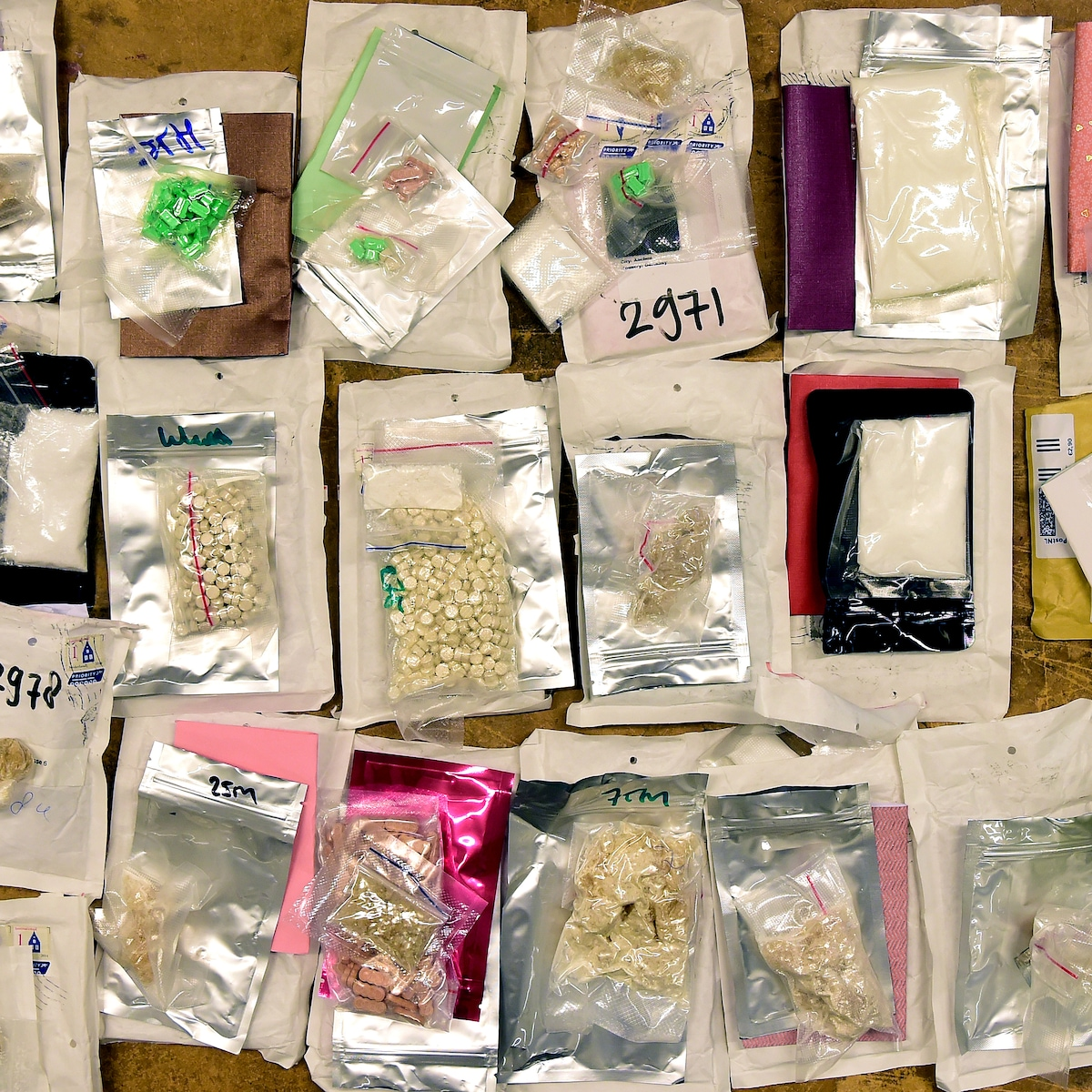
Records show the task force made four undercover purchases from the site, buying counterfeit methamphetamine pills, LSD, cocaine, and alprazolam (Xanax). Agents tracked the packages from western Oregon to Columbus using U.S. Postal Service records, which tied the shipments to an address connected to Heffelfinger and Blake. Surveillance later followed the pair from a dispensary to a post office, where they allegedly dropped off suspected drug packages.
Phone and email records established a close relationship between the three, showing hundreds of contacts over a few months and photos of Wasson at the wedding of Heffelfinger and Blake.
Subsequent search warrants on their email addresses allegedly revealed bulk amounts of vacuum-sealed bags, third-party postage purchased with cryptocurrency, branding for Rocky Mountain Connections, and seed phrases for cryptocurrency wallets. Investigators said they also found pictures of books and PDFs titled “Best Resources for Trappers,” “DontLacknSlip,” and “USPSSecrets.”
Bitcoin used in the undercover buys was traced to a swapping service called ChangeNow, which was then converted to a harder-to-trace currency called Monero. Much of Monero’s transaction data is kept “off-chain,” unlike Bitcoin, making it more difficult to track and ideal for money laundering.
It’s unclear how much money was made from the website, but prosecutors estimate Heffelfinger and Blake have access to “hundreds of thousands of dollars of cryptocurrency.” Between January and July 2025, prosecutors claim Blake converted over $45,000 in cryptocurrency to cash, while Heffelfinger deposited more than $65,000. An examination of Blake’s seized phone indicated she had access to approximately $300,000 in cryptocurrency.
Prosecutors noted Heffelfinger and Blake both worked as school psychologists, writing, “In other words, they are serious drug dealers who interact with children.”
During their arrests, agents said they seized about 20 pounds each of suspected methamphetamine and Xanax bars, a kilogram of cocaine, and other controlled substances from their shared Oregon residence.
The three defendants have not yet entered pleas or appeared in court in Ohio.
Related Posts
Europol arrests 193 people in Crackdown on Violence As A Service (VAAS) networks
A six month operation has come to a close, arresting…
A short Q&A with the Njalla team on domain theft accusations site functionality and VPN services.
The Admin of Njalla a hosting provider brokep, is a…
Interview with drug reviewer LsdMushroomtea
Tordaily: First of all, thank you for speaking with me!…