

Q: What has changed in carding in the last few years?
Ah, carding is like an old jalopy—always breaking down, always needing a tune-up. Back in the day, it was simpler: you’d grab a CVV, punch it into a site, and boom, cash in hand. But now? Banks got smarter. They’ve pumped up AI detectors that sniff out fraud like bloodhounds on a scent. Websites use fancy stuff called “behavioral analysis”—watching how fast you type or move your mouse, like a video game boss that knows your every move. Proxies and VPNs are everywhere now, but they’re not enough alone. The big shift? Everything’s digital, faster, but riskier. One wrong click, and you’re banned for life. It’s like trying to sneak cookies from the jar when Mom’s got laser eyes. Slow down, think smart, or you’ll crash harder than a kid on a skateboard. Fast success inflates your ego; slow builds your character.
Q: What markets can buyers find you on?
Buyers can find me under the nickname – Procarder2 on some top-notch spots that’ve got glowing reviews from the community—reliable, fresh stock, no BS. Check out Omega market—it’s like the Rolls-Royce of fresh new Dark markets, I sell there premium cards that work like a charm. Then there’s Drug Hub market, a beast for variety and speed, praised for its low downtime rates. Don’t miss Kerberos market, solid as a rock with great support. Dark matter market is another gem, super user-friendly. Black Ops market delivers consistently, earning rave reviews for quality. Nexus market is a winner, fast and reliable. Torzon market keeps the community buzzing with its top-tier offers. Vortex market is legendary, packed with extras. These are the go-tos—community loves them, and for good reason. Just a heads up: in this line of work, trust is as precious as gold—always double-check market reviews from the last few days to stay safe and sharp.
Q: What is the best way to check if a card is live?
Checking if a card is “live” means seeing if it’s got juice left—balance, no blocks. Best way? Don’t rush like a bull in a china shop. Use a low-stakes site first, something cheap like a $1 coffee order on Starbucks or Amazon. Punch in the CVV, billing details, and watch for approval. If it clears, great—it’s breathing. But test small: big buys scream “fraud alert” faster than a kid yelling “ice cream!” in a library. Pro tip: Rotate proxies and spoof your fingerprint so you don’t get shadow-banned. And always check the bin first. Patience is key; haste makes waste, or in this case, gets you caught.
Q: Do you recommend antidetect for carding?
Hell yeah, I recommend antidetect like a bulletproof vest in a firefight—it keeps you alive and kicking! In carding, antidetect browsers (like Linken Sphere or Incogniton) spoof your digital fingerprint so websites can’t tell you’re the same sneaky guy hitting them twice. It’s like wearing a disguise at a costume party where everyone is a cop. Without it, one slip and poof—IP ban, account lock. I’ve seen rookies burn through cards fast without it. Sure, it’s not free (think $30-100/month), but it’s cheaper than jail time. Layer it with good proxies, and you’re golden. Just don’t get cocky; even the best can slip. Ever try sneaking past a guard dog? Antidetect is your leash.
And here are some gems on using it properly: Always create fresh profiles for each session—don’t reuse them like a lazy bum. Pair it with residential proxies (not datacenter trash) to mimic real users; sites like Oxylabs or Bright Data are solid. Rotate your user agents, screen resolutions, and time zones randomly to break patterns. Test your setup on low-stakes sites first, like checking balances on dummy accounts, before diving into the big leagues. Keep your browser updated but avoid auto-updates that might flag you. And for God’s sake, don’t log into legit accounts with the same IP—mix it up or risk linking everything back to you. Follow that, and you’ll glide like a ghost. Mess it up, and you’re toast.
Q:What advice do you wish you knew before getting into the game?
I’d smack my younger self with a reality check. First: Start small, learn big. I jumped in thinking it’d be quick cash, but it chewed me up. Advice? Always diversify—don’t put all eggs in one basket, or one bad card wipes you out. Study bins religiously. Use clean tools, stay off-grid, and have an exit plan. Biggest regret? Not knowing psychology—banks and victims are people, so think like them.
Q: What is the biggest thing you have ever carded?
Biggest haul? A high-end crypto mining machine, an ASIC rig worth about $9,000. Grabbed it with a reliable Visa CVV from a bin like 414740 —verified the funds upfront, naturally. Felt like hitting a solid payday, but the anxiety? Like defusing a bomb blindfolded. Takeaway: Greed kills; stick to what you know and can control. Play smart, not reckless.
Q: Anything you would like to say to our readers?
Hey there, fellow thrill-seekers and armchair observers tuning into this rag—whether you’re fantasizing about the hustle or just rubbernecking at the shadows: Life’s one big bet, but carding is a loaded dice game if you’re not on point. Educate yourself, play it somewhat straight (or just dodge the heat), and keep in mind, every pro started as a newbie. If you’re dipping in, master the basics—scrutinize bins, rock that antidetect, and keep evolving. And for the record, if tips are what you’re after, slide into my markets DMs or sonarmsng5vzwqezlvtu2iiwwdn3dxkhotftikhowpfjuzg7p3ca5eid.onion/contact/procarder2 …
Plus, the kicker in carding? Ultimately, the banks are the suckers—they rigged their own house with weak defenses and over-the-top credit pushes, so it’s kinda karmic payback. And remember, the actual cardholder rarely loses a dime; banks eat the losses and cover ’em up. Stay sharp, stay elusive, and smirk at the madness. Bottoms up!
Related Posts
Harm Reduction: Best Practices for Darknet Market Shoppers
In this guide we will explain the concept of harm…
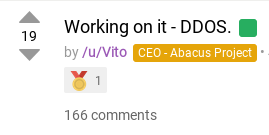
Abacus Admin updates users on down time.
The Admin of Abacus market has posted short unsigned message…
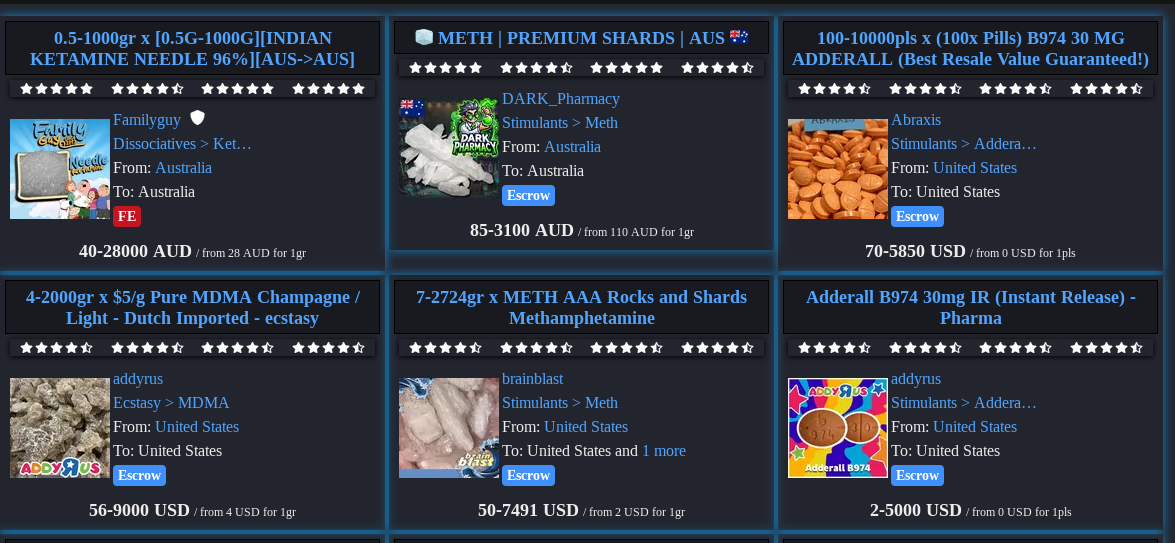
Interview with the Admin of Dark Matter Market
Home Page of Dark Matter Market Q: Can you give…